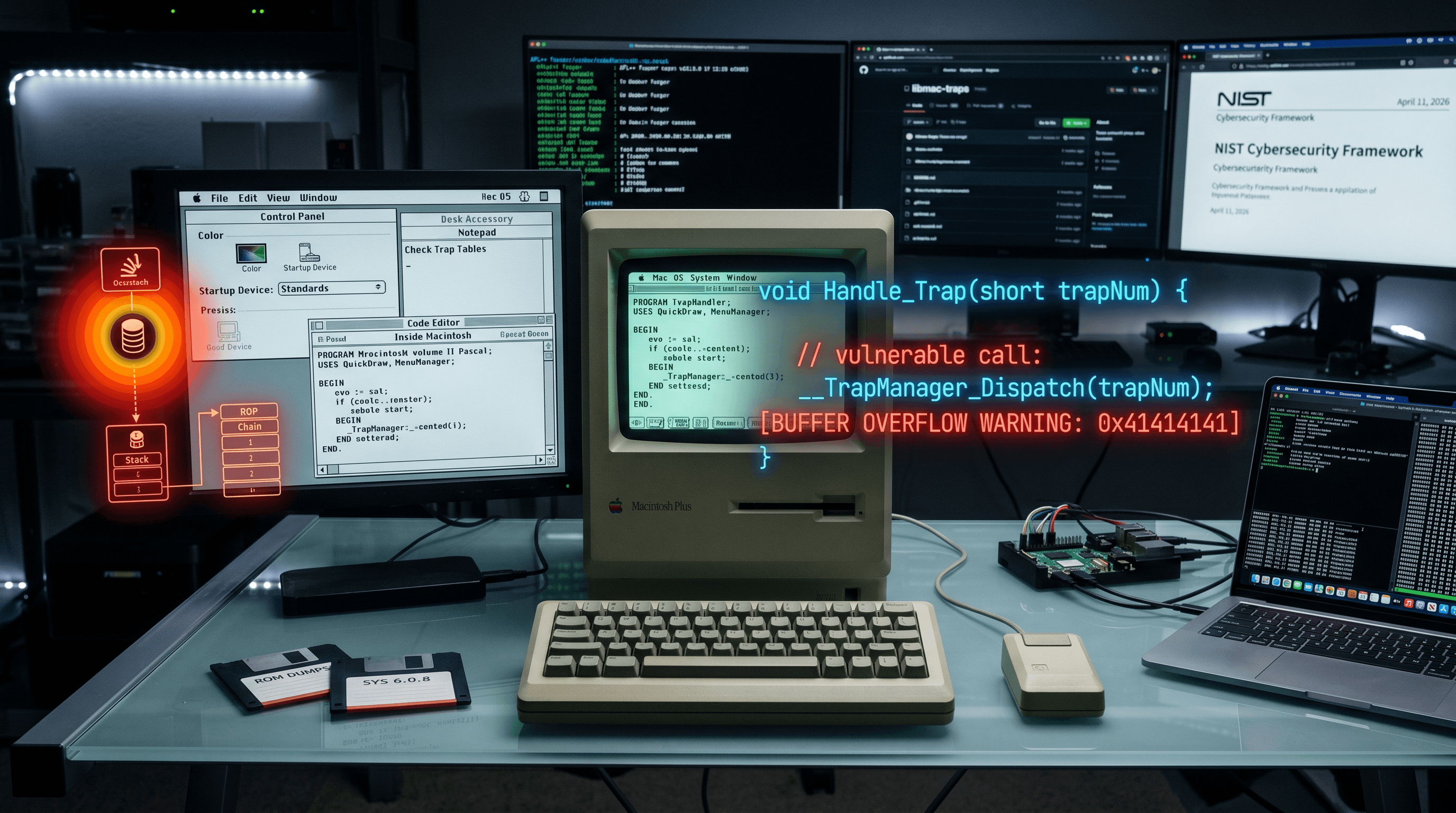
US Treasury Department announced on April 11, 2026, its free Treasury cybersecurity intelligence program for cryptocurrency firms. Officials target rising blockchain threats. The initiative boosts sector defenses at zero cost.
Treasury Secretary Janet Yellen unveiled the program at a Washington briefing. Firms access real-time threat data from federal agencies via a secure portal.
Treasury Cybersecurity Intelligence: Mechanics and Access
Firms register through Treasury's Financial Crimes Enforcement Network (FinCEN). They receive automated feeds on vulnerabilities, phishing campaigns, and ransomware targeting exchanges. Primary sources include the Cybersecurity and Infrastructure Security Agency (CISA) and FBI cyber units.
The portal provides RESTful APIs for integration into security operations centers (SOCs). Feeds deliver data in STIX 2.1 format, the industry standard for structured threat information expression. This enables compatibility with open-source tools like MISP (Malware Information Sharing Platform) and commercial platforms such as Splunk or Elastic Security.
Treasury enforces strict data usage policies, including encryption in transit via TLS 1.3 and audit logging to prevent leaks. Registration requires KYC compliance, mirroring FinCEN's existing crypto reporting rules.
This mirrors traditional finance access. Banks already use Financial Services Information Sharing and Analysis Center (FS-ISAC) feeds for similar intel sharing.
Crypto Market Context
Bitcoin trades at 72,774 USD, up 1.4% on April 11, 2026, according to CoinMarketCap. Ethereum hits 2,235.30 USD, up 2.2%. Alternative.me Fear and Greed Index registers 15, indicating extreme fear.
XRP stands at 1.35 USD, up 0.4%. BNB reaches 606.16 USD, up 0.9%. USDT pegs at 1.00 USD. Heightened volatility amplifies the need for robust defenses.
Hackers stole 450 million USD from Bybit exchange last month, Chainalysis reports. State-sponsored actors probed DeFi protocols 20% more in Q1 2026, per Recorded Future analysis.
Technical Benefits
Feeds deliver indicators of compromise (IOCs), including malicious IP addresses, domains, wallet blacklists, and YARA rules for malware detection. Firms integrate these into endpoint detection and response (EDR) tools like CrowdStrike or SentinelOne.
Supervised machine learning models train on labeled datasets from CISA's Known Exploited Vulnerabilities (KEV) catalog. This enhances anomaly detection in transaction graphs, flagging unusual wallet behaviors.
Priority threats encompass smart contract exploits—such as reentrancy attacks and integer overflows—and cross-chain bridge vulnerabilities. Treasury collaborates with the Blockchain Association to customize feeds for layer-1 and layer-2 protocols.
FS-ISAC benchmarks show integrations reduce mean time to detect (MTTD) by 40%. Deloitte estimates startups save 500,000 USD annually on third-party threat subscriptions.
Industry Reactions
Coinbase CEO Brian Armstrong tweeted: "Vital step for institutional adoption."
Binance Chief Security Officer Alejo Paez highlighted faster incident response times. Smaller firms raise concerns over regulatory ties and privacy. Treasury provides anonymized feeds with opt-in audit logs.
Pilots launch next week with 50 firms, targeting 500 by year-end. AWS and Google Cloud offer pre-built connectors for seamless onboarding.
Economic Impact
Enhanced security cuts insurance premiums 15-20%, Lloyd's of London data indicates. Investors build confidence, reducing hack-induced selloffs. Stabilized prices attract inflows.
Venture funding surges for secure protocols. A zero-knowledge proof startup raised 30 million USD last week, PitchBook reports.
Banks like JPMorgan deploy this intel for crypto custody services. It bridges legacy core banking systems with blockchain infrastructure.
Challenges Ahead
Data volume risks overwhelming understaffed SOCs. Treasury schedules CISA-led training webinars starting May 2026, covering SIEM (Security Information and Event Management) integration.
North Korean Lazarus Group stole 1.7 billion USD in crypto since 2017, UN Panel of Experts reports. Shared intel improves attribution via blockchain forensics.
Skeptics doubt enforcement rigor. Prior mixer advisories saw uneven compliance. Persistent blockchain pseudonymity demands advanced heuristics.
Future Expansions
Treasury rolls out AI-driven predictive analytics in Q4 2026. Long short-term memory (LSTM) models forecast attacks using historical breach patterns. An MIT pilot achieved 75% precision on simulated DeFi assaults.
This advances the 2026 National Cybersecurity Strategy's public-private sharing pillar. Crypto shifts from regulatory target to strategic partner.
G7 and EU discussions aim to harmonize intel sharing, countering threats like the 2025 Ronin Network exploit.
Strategic Implications
Exchanges integrate intel directly. Kraken allocates 10 million USD from reserves for SOC upgrades using the feeds. Wallet developers embed IOC checks natively.
Investors track progress through funds like Pantera Capital. Cybersecurity emerges as a critical moat in tokenomics.
Treasury cybersecurity intelligence fortifies crypto firms against advanced persistent threats at no cost. The sector matures amid persistent dangers.